Reader hook
You spot a fledgling hopping alone on the lawn, or a hedgehog nosing along the fence at dusk, and something in you wants to help. Maybe you save the crusts for the ducks, top up a feeder, or reach for a saucer of milk. These are kind instincts, and they come from the right place. The awkward truth is that some of the most common ways we try to help wild animals can quietly work against them. The good news is that helping well is usually simpler, cheaper, and less hands-on than helping badly.
Why this matters
Most of us meet wildlife in ordinary moments: a bird table outside the kitchen window, a fox crossing the garden, a nest under the eaves. Gardens and green spaces genuinely matter for animals, especially as natural habitat becomes more fragmented, and that gives you real influence over the creatures nearby.
It also means small mistakes add up. One household feeding the wrong food now and then is unlikely to cause lasting harm, but many households doing it in the same park or street can change how animals eat, gather, and behave. Getting the basics right is one of the more useful things you can do for the animals around you.
The core principle: support habitat, not handouts
If you take one idea from this article, make it this: wild animals do best when they stay wild. Their bodies, routines, and survival skills are tuned to natural food and natural spacing, and most well-meaning mistakes share a single root, which is treating wild animals a little too much like pets.
The alternative is to shift your effort from feeding animals directly towards supporting the habitat they rely on. Habitat is quieter and less immediately rewarding than hand-feeding, but it tends to help more animals, more safely, for longer. Think of it as setting the table for nature rather than serving individual guests. The rest of this article works through where good intentions tend to backfire, with the responsible alternative for each.
What the evidence actually says
Bread for ducks and birds. Bread is not toxic, but it is poor food. The RSPB notes that ducks fed largely on bread can suffer serious vitamin deficiencies or even starve, because it fills them up without the nutrients they need. Uneaten bread causes wider problems too: the Canal and River Trust warns it can build up in the water, encouraging algae, disease, and rats, and the Wildfowl and Wetlands Trust notes that mouldy bread can cause fungal illness such as aspergillosis. Better options, all suggested by these organisations, include sweetcorn, porridge oats, peas, seeds, and rice, offered in modest amounts.
Milk and bread for hedgehogs. This is a persistent myth worth retiring. The RSPCA is clear that hedgehogs are lactose intolerant, so milk can cause diarrhoea, and that bread offers them no real nutritional benefit. The Wildlife Trusts give the same warning. Instead, both recommend meat-based wet cat or dog food, or plain cat or dog biscuits, alongside a shallow dish of fresh water. Clean the dishes daily with hot soapy water, outdoors rather than in your kitchen, to reduce the spread of disease between visiting animals.
Dirty feeders and crowded feeding spots. Feeders concentrate birds in one place, which is exactly how disease spreads. The RSPB highlights trichomonosis, a contagious infection that has hit greenfinches and chaffinches hard, and notes that a single sick bird can turn a busy feeder into a hotspot. Their guidance is to clean feeders and baths at least weekly with hot soapy water and a suitable disinfectant, move feeders around so droppings do not build up, keep food dry, and space feeders out to reduce crowding. If you see unwell birds, they advise stopping feeding for at least three weeks and emptying baths, so the birds disperse and the outbreak fades.
Feeding at the wrong time. In its Feed Safely, Feed Seasonally guidance, the RSPB now suggests pausing seeds and peanuts over the warmer months (in its UK guidance, roughly May to October) and offering only small amounts of higher-value foods, then feeding more fully through autumn and winter when natural food is scarce. This is a UK-specific recommendation shaped by recent disease patterns, so treat the principle, feed in a way that limits crowding and disease, as the durable point, and check your own regional guidance for timing.
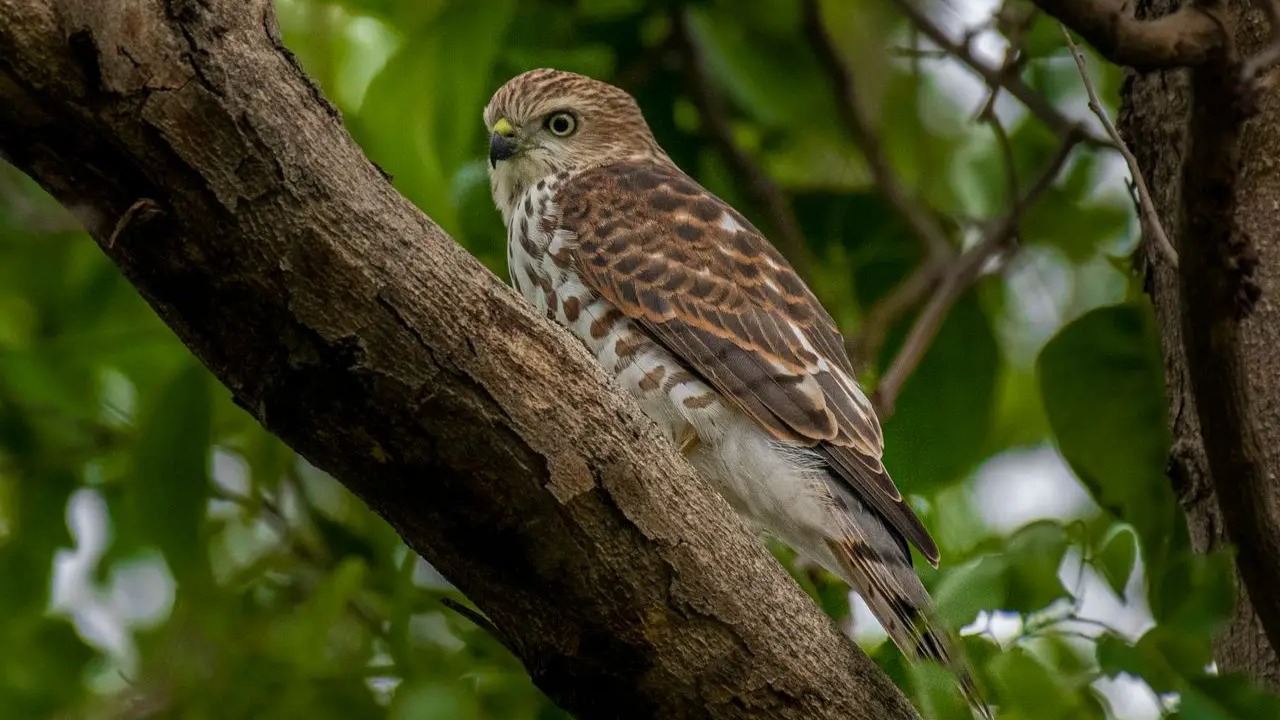
Rescuing young animals that are not orphaned. Many "rescued" babies were never in trouble. The RSPCA explains that a fully feathered fledgling on the ground is normal, with parents usually nearby and still feeding it, so it should be left alone unless clearly sick, injured, or in danger, while a featherless nestling can be gently returned to its nest. For deer, Washington's Department of Fish and Wildlife explains that a doe leaves her fawn hidden and alone on purpose, keeping her distance so predators are less likely to find it, and that young fawns give off little scent for this reason. The Humane Society adds that mother rabbits visit the nest only a couple of times a day, and that a nearly full-sized squirrel with a fluffy tail is simply independent. In each case, unnecessary handling can do the harm the rescue was meant to prevent.
Habituating animals to people. Beyond food value, the act of feeding changes behaviour. The US National Park Service describes how animals that learn to seek human food can lose their natural wariness, grow dependent, become aggressive, and end up with shorter lives and poorer nutrition, and are also more likely to be treated as a nuisance and removed. Feeding that seems generous can set an animal on a path that ends badly for it.
Cats and wildlife. Domestic cats are effective hunters. The American Bird Conservancy estimates that free-roaming cats kill around 2.4 billion birds a year in the United States, making them a leading direct, human-caused source of bird deaths, and notes that outdoor cats also live shorter lives themselves. Their suggested alternatives include keeping cats indoors, using a secure outdoor enclosure such as a "catio", or supervised time on a harness.
Netting, litter, and releases. Garden and sports netting entangles birds, hedgehogs, snakes, and other animals, sometimes fatally, according to wildlife rescue groups, who suggest keeping netting taut and off the ground, storing sports nets when not in use, or avoiding loose netting altogether. Releasing pets or non-native species is another well-meant act that backfires: invasive-species bodies stress that released animals and plants can spread disease and outcompete natives, which is why "don't let it loose" is standard advice, and why moving or releasing wildlife is regulated in many places.
Practical actions
Here are safe, genuinely helpful things you can do, most of them one-off or low-effort:
Grow habitat first. Native plants, a small pond, a log pile, long grass, and hedges provide food and shelter for far more species than a feeder ever will.
Offer water year-round. A shallow, clean dish or a bird bath helps in heat and freezing weather alike. Refresh and clean it regularly.
If you feed birds, feed cleanly. Use the right foods, clean feeders at least weekly, move them around, and space them out. Stop if you see sick birds.
Feed hedgehogs correctly, if at all. Meat-based cat or dog food and fresh water, never milk or bread, in a spot cats cannot reach.
Make your garden passable and safe. A gap in a fence lets hedgehogs roam, and covered drains and sloped pond edges prevent trapping.
Keep cats from hunting. Indoor time, a catio, supervised outings, and extra caution at dawn and dusk all help.
Tidy hazards. Cut up netting and plastic rings, keep bins secure, and lift litter before it traps an animal.
Leave healthy young animals where they are, and watch from a distance with pets and children kept back.
Save your local wildlife rescue's number for animals that are genuinely sick, injured, or orphaned.
Common mistakes to avoid
Feeding bread to ducks, geese, or garden birds as a staple.
Putting out milk for hedgehogs or cats, both of which are usually lactose intolerant.
Leaving human or heavily processed food out for foxes, badgers, or other visitors.
Letting feeders go weeks without cleaning, or piling several feeders in one small spot.
Scooping up a fledgling, fawn, or leveret that is not actually in trouble.
Hand-feeding wild animals so they lose their wariness of people.
Releasing a pet fish, terrapin, or plant into a local pond or waterway.
Assuming the rules where you live match advice written for somewhere else.
Frequently asked questions
I found a baby bird, what do I do? First, look at its feathers. A mostly feathered bird hopping on the ground is a fledgling, and this is a normal stage; its parents are almost certainly nearby and still feeding it, so the RSPCA advises leaving it alone and keeping pets and people back. A featherless or downy nestling can be gently placed back in the nest, or into a makeshift one nearby, if you can reach it safely. Only step in if the bird is clearly injured, has been caught by a cat, or is in obvious danger, and then contact a local wildlife rescue rather than trying to raise it yourself.
Is it ever okay to feed wild animals? Sometimes, if you do it carefully. Feeding garden birds and hedgehogs the right foods, in clean conditions, can help, particularly when natural food is scarce. The key is to avoid poor foods, prevent crowding and disease, and never let animals become dependent or tame. For larger mammals such as foxes, badgers, or deer, leaving them to forage naturally is usually the kinder choice.
How do I know if an animal is truly orphaned? Assume it is not, then watch. Many parents stay away deliberately to avoid drawing predators to their young, so absence is not abandonment. The Humane Society suggests watching quietly from a distance for signs a parent is returning, and treating clear injury, bleeding, a cat attack, or a baby that is cold and crying constantly as reasons to seek help. When unsure, call a licensed rehabilitator before acting.
Should I keep my cat indoors? It is one of the most effective single things you can do for local wildlife, given how many birds and small mammals free-roaming cats catch. If full-time indoor life does not suit your cat, a secure garden enclosure, supervised time on a harness, or keeping them in at dawn and dusk can all reduce their impact while keeping your cat safer too.
Do these rules apply everywhere? The principles travel well, but the specifics do not. Feeding timings, protected species, and rules on handling or releasing animals vary widely by country and region. Treat this article as a starting point and check your local wildlife authority or a nearby rescue for guidance that fits where you live.
Key takeaways
Good intentions can backfire; helping wildlife well often means doing less, not more.
Support habitat over handouts, since food, water, shelter, and safe passage help more animals than direct feeding.
Skip bread for ducks and birds, and never give hedgehogs milk or bread; offer appropriate foods instead.
Keep feeders clean and spaced out to limit disease, and pause feeding if you see unwell birds.
Leave healthy young animals alone, keep cats from hunting, remove entanglement hazards, and never release pets into the wild.
Rules vary by region, so check your local wildlife guidance, and call a licensed rehabilitator when an animal is genuinely in trouble.
Related PetalPoko articles
How to Turn Your Garden Into a Haven for Pollinators
Why Bees Do Far More for You Than Make Honey
12 Fascinating Facts About Jaguars, and Why They Matter to the Rainforest
Sources and further reading
RSPCA, Attracting hedgehogs to your garden: https://www.rspca.org.uk/adviceandwelfare/wildlife/hedgehogs/garden
The Wildlife Trusts, What to feed hedgehogs and badgers: https://www.wildlifetrusts.org/actions/what-feed-hedgehogs-and-badgers
Full Fact, Poster claiming bread is healthy for ducks gets its facts in a flap (citing RSPB, Canal and River Trust, and Wildfowl and Wetlands Trust): https://fullfact.org/online/poster-claiming-bread-healthy-ducks-gets-its-facts-flap/
RSPB, Keep your garden birds healthy (cleaning feeders and disease): https://www.rspb.org.uk/birds-and-wildlife/feeding-birds-near-you/keep-your-garden-birds-healthy
RSPB, Feed Safely, Feed Seasonally guidance: https://www.rspb.org.uk/whats-happening/news/how-to-help-garden-birds
RSPCA, Found a baby bird out of the nest?: https://www.rspca.org.uk/adviceandwelfare/wildlife/birds/baby
Washington Department of Fish and Wildlife, What to do if you find a deer fawn: https://wdfw.wa.gov/species-habitats/living/injured-wildlife/deer-fawns
Humane World for Animals (Humane Society), How to help orphaned or injured baby wild animals: https://www.humaneworld.org/en/resources/how-help-orphaned-or-injured-baby-wild-animals
US National Park Service, Risks to wildlife from people: https://www.nps.gov/subjects/watchingwildlife/animals.htm
American Bird Conservancy, Keep Cats Indoors: https://abcbirds.org/solutions/keep-cats-indoors/
Wildlife Rescue League, Netting is dangerous to wildlife: https://www.wildliferescueleague.org/animals/netting-is-dangerous-to-wildlife/
Invasive Species Centre, Don't Let It Loose: https://www.invasivespeciescentre.ca/take-action/dont-let-it-loose/