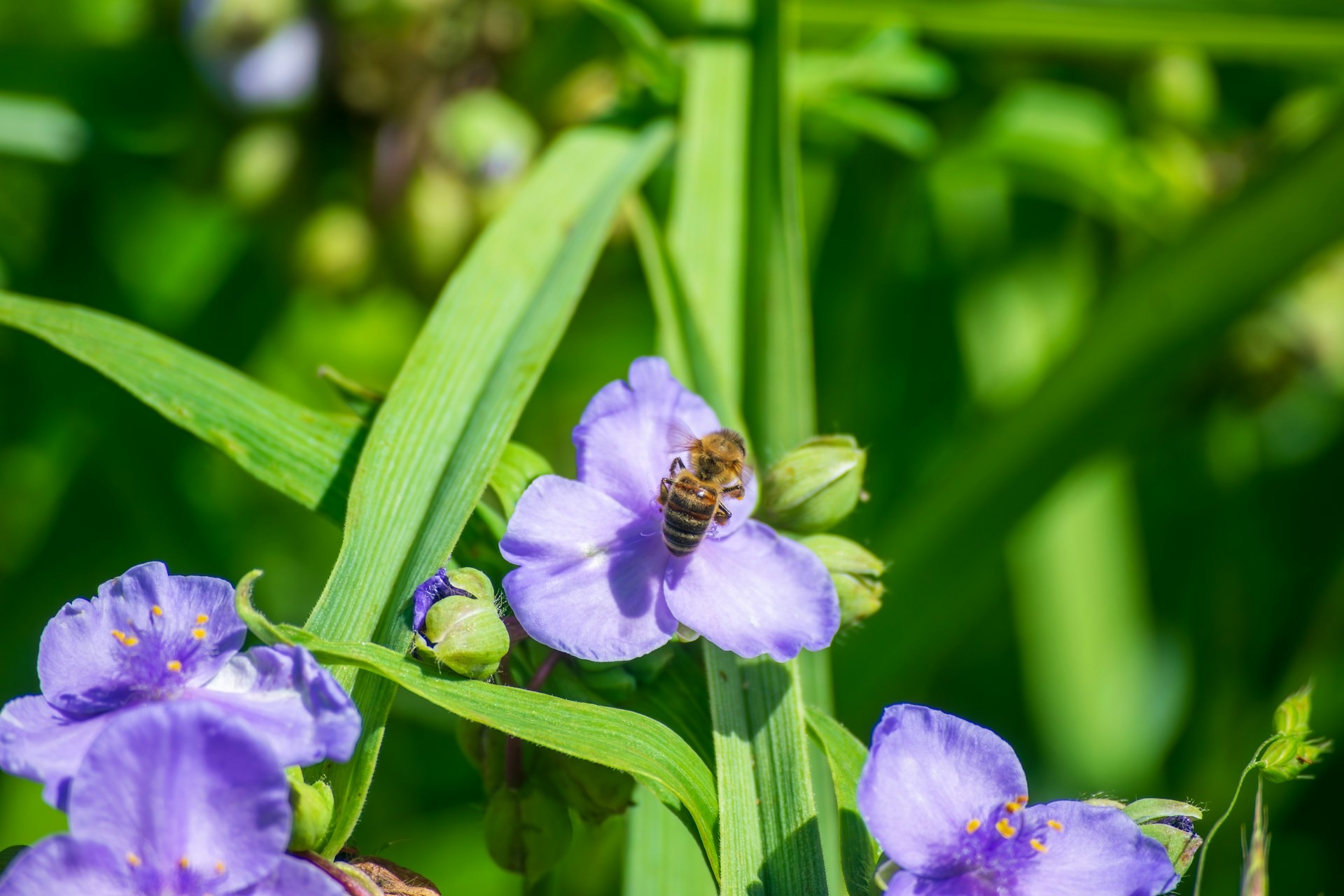
A quiet afternoon and a busy border
You are standing by a border on a warm afternoon when a low, steady hum catches your attention. Look closer and you will often find bees moving from flower to flower, a hoverfly holding its place in the air, perhaps a butterfly resting with its wings open. It is easy to walk past without noticing, yet that quiet activity is one of the clearest signs that a garden is doing well.
If you have wondered whether your own patch could do more of that work, this guide is for you. You do not need a large plot, a horticulture qualification, or a big budget, just a few sound principles, a little patience, and the willingness to leave some things a bit untidier than usual.
Why this matters, close to home
Pollinators are the insects and other animals that move pollen between flowers so that plants can set seed and fruit. In a garden, that shows up in ways you can see and taste: more apples on the tree, fuller courgettes, beans that actually swell, a border that hums with life rather than sitting still.
There is a wider picture too, worth stating carefully. Many pollinator populations are under pressure from habitat loss, pesticide use, and other factors, and gardens can provide part of the food and shelter these animals need. No single garden solves this, and it would be misleading to claim otherwise. What the evidence supports is more modest and more hopeful: a well-planned garden can offer real resources that pollinators use, and lots of small gardens together add up to a meaningful patchwork of habitat.
What pollinators actually need from a garden
It helps to think about pollinators the way you might think about any guest who stays a while. They need food, water, somewhere to shelter and raise young, and an environment that will not poison them. The Xerces Society, a long-established invertebrate conservation organisation, frames garden habitat around a similar short list: flowers through the growing season, varied nesting sites, and freedom from pesticides.
Food means pollen and nectar. Pollen provides protein, nectar provides energy, and different insects reach them in different ways. A short-tongued bee, a long-tongued bumblebee, a butterfly, and a hoverfly do not all feed comfortably from the same flower shape, which is why variety matters more than any single "best" plant.
Shelter means places to nest and overwinter. This is the part gardeners most often overlook, because good nesting habitat can look, at first glance, like mess.
How to build a pollinator haven, step by step
Choose plants that genuinely offer food
Start with flowers that pollinators can actually feed from. The Royal Horticultural Society (RHS) advises choosing simple, open flowers with a single layer of petals rather than complex double blooms, because open flowers give insects easy access to pollen and nectar. Many highly bred double-flowered cultivars have had their reproductive parts replaced by extra petals, which can leave little or no nectar and pollen behind.
Aim for a range of flower shapes so that insects with different tongue lengths are all catered for. The RHS organises its guidance around different groups, including bees, butterflies, moths, and hoverflies, precisely because their feeding needs differ.
On native versus non-native, the honest answer is nuanced. Native and regionally appropriate plants are a sensible foundation, because they have evolved alongside local insects, and the Xerces Society notes that native plants are adapted to the conditions in which they evolved. The RHS adds that carefully chosen non-native plants can also provide useful nectar and pollen. A practical approach is to lean on native and near-native species and treat well-chosen garden plants as helpful additions.
One caveat runs through all of this: the best specific plants depend entirely on where you live. A list that suits southern England will not suit Arizona, Queensland, or the Scottish Highlands. Rather than copying a plant list from the internet, check what is native or well suited to your own region, using a local botanic garden, native plant society, university extension service, or a regional resource such as the Xerces Society's regional plant lists.
Plant for continuous bloom, especially at the edges of the season
Pollinators are active for far longer than the peak of summer. The Wildlife Trusts recommend selecting plants so that you have flowers from early spring through to late autumn, which keeps food available across the whole active season. Early spring is when queen bumblebees emerge and need energy quickly, and late autumn flowers help insects prepare for winter, so those shoulder periods deserve particular attention when you plan.
Plant in clumps, not scattered singles
How you arrange plants matters as much as what you choose. The Wildlife Trusts suggest placing plants in groups or drifts so that their colour and scent are easy to detect. A generous clump of one flower is easier for an insect to find and work efficiently than the same plants dotted about one by one.
Leave homes, not just meals
A garden that feeds pollinators but offers nowhere to nest is only half a haven. According to the Xerces Society, around 70 percent of native bee species nest in the ground, digging small burrows in bare or sparsely covered soil, while roughly 30 percent nest in cavities such as hollow or pithy stems.
So for ground-nesting bees, leave a patch of bare, undisturbed soil in a sunny spot, and avoid covering every surface with thick mulch, paving, or dense lawn. For cavity-nesting bees, leave some hollow and pithy stems standing over winter rather than cutting everything back in autumn, and let a little leaf litter accumulate, which also shelters overwintering queens. Xerces notes that these natural features break down over time, which helps limit the build-up of disease and parasites.
Bee hotels can supplement this, but they need to be done responsibly. The Xerces Society cautions that commercial nesting blocks can lead to a build-up of diseases or mites if they are not cleaned or replaced after a season or two. If you use one, keep it modest in size, position it out of driving rain, and be prepared to maintain it. Natural habitat is the more forgiving option.
Provide water
Pollinators need to drink, and a little thought prevents drownings. The RHS suggests a shallow dish filled with stones or marbles and topped up with water, or the shallow margin of a pond, so insects have somewhere to land and sip safely.
Avoid pesticides, and watch what you buy
Avoiding pesticides is described by the Xerces Society as one of the foundations of healthy garden habitat, because pesticides can kill non-target insects and contaminate the flowers pollinators rely on. Neonicotinoids deserve particular caution: these are systemic insecticides, meaning the plant takes them up into its tissues, and they can end up in pollen and nectar.
There is a catch that surprises many gardeners. Some plants sold as "pollinator friendly" have themselves been treated with these chemicals during production, and the Xerces Society reports that insecticide and fungicide residues have repeatedly been detected in nursery plants. It is worth asking your nursery how their plants were grown, seeking out untreated or certified organic stock, or growing some plants from seed yourself.
Let part of your lawn grow
A close-mown lawn is, from a pollinator's point of view, close to a desert. Mowing less often lets low-growing flowers such as clover, selfheal, and dandelions bloom. The No Mow May campaign, launched by the conservation charity Plantlife in 2019, encourages exactly this, and it is worth remembering that even grass mown every four weeks can still provide flowers. You do not need to abandon the whole lawn. Leaving a strip or a corner unmown is a reasonable middle path, and the RHS notes that a square metre of long grass is enough room for a bumblebee to nest.
Small spaces count too
If you have only a balcony, a doorstep, or a couple of containers, you can still help. The RHS advises that pollinator-friendly plants grow well in pots, window boxes, and hanging baskets, from lavender and sage to ornamental alliums. A few well-chosen containers with open, nectar-rich flowers and a shallow water dish turn even a small urban space into a genuine stopping point for passing insects.
Practical actions and quick wins
Add two or three single-flowered, regionally appropriate plants that bloom at different times of year.
Choose at least one early-spring and one late-autumn flower to cover the lean periods.
Plant in clumps rather than scattering single plants around.
Leave a small patch of bare soil in a sunny, undisturbed spot.
Delay your autumn tidy-up and leave some hollow stems and leaf litter over winter.
Set out a shallow water dish with stones for insects to land on.
Skip the pesticides, and ask how nursery plants were grown before you buy.
Let a strip or corner of lawn grow longer.
Common mistakes to avoid
Choosing showy double flowers. Big, ruffled double blooms can look spectacular yet offer little accessible nectar or pollen. Favour single, open flowers.
Tidying away all the habitat. Cutting back every stem, raking up all the leaves, and paving or mulching every surface removes exactly the nesting and overwintering sites pollinators need.
Assuming "pollinator friendly" labels are enough. A plant can carry a bee-friendly label and still have been treated with systemic insecticides. Ask questions before you buy.
Relying on a bee hotel as a shortcut. An unmaintained bee hotel can do more harm than good by spreading disease. Prioritise natural nesting habitat and maintain any hotel you do use.
Copying a plant list from another region. What thrives and feeds insects in one climate may struggle or fail to help in yours. Check what suits your own area.
Frequently asked questions
Do I need native plants, or will any flowers do? Native and regionally appropriate plants are a strong foundation because they have evolved alongside local pollinators. Carefully chosen non-native plants can also provide useful nectar and pollen, so a mix is reasonable. The key is to avoid double-flowered varieties with little to offer, and to check what suits your region.
Will a bee hotel bring bees straight away? Sometimes, but not always, and it is not the most reliable step. Natural nesting habitat, such as bare ground and hollow stems, tends to be safer and lower maintenance. If you do use a bee hotel, keep it small and clean or replace it every season or two to reduce disease.
Is it safe to leave part of my garden untidy? Leaving stems, leaf litter, and a longer patch of grass is one of the more helpful things you can do, because it provides shelter and nesting sites. You can keep the rest of the garden as neat as you like, so this is about balance rather than neglect.
I only have a balcony. Is it even worth it? Yes. A few containers of single-flowered, nectar-rich plants and a shallow water source give passing pollinators food and a place to rest. Small spaces will not replace larger habitat, but they add to the wider patchwork.
How do I know which pesticide-free plants to buy? Ask the nursery directly how their plants were grown and whether systemic insecticides such as neonicotinoids were used. Look for untreated or certified organic stock, or grow some plants from seed, which sidesteps the question entirely.
Key takeaways
Pollinators need food, water, shelter, and an environment free of pesticides.
Favour single, open flowers in a range of shapes, planted in clumps, blooming from early spring to late autumn.
Leave nesting habitat: bare ground, hollow stems, and leaf litter matter more than most gardeners realise.
Avoid pesticides, and check that the plants you buy were not treated with systemic insecticides.
Let part of your lawn grow, and remember that even a balcony can help.
The best specific plants depend on your region, so always check what is native or well suited to where you live.
Sources and further reading
Xerces Society, How to Make a Pollinator Garden: https://www.xerces.org/blog/how-to-make-pollinator-garden
Xerces Society, Pollinator Conservation in Yards and Gardens: https://xerces.org/pollinator-conservation/yards-and-gardens
Xerces Society, Nesting Resources: https://xerces.org/pollinator-conservation/nesting-resources
Xerces Society, Nesting & Overwintering Habitat: https://xerces.org/publications/fact-sheets/nesting-overwintering-habitat
Xerces Society, Bee-Safe Nursery Plants: https://xerces.org/pesticides/bee-safe-nursery-plants
Royal Horticultural Society, How gardeners can help pollinators: https://www.rhs.org.uk/wildlife/help-our-declining-bees-and-other-pollinators
Royal Horticultural Society, Plants for Pollinators: https://www.rhs.org.uk/science/research/plants-for-pollinators
Royal Horticultural Society, Encouraging pollinators in small spaces: https://www.rhs.org.uk/advice/urban-gardening/encouraging-pollinators-in-small-spaces
The Wildlife Trusts, The best plants for bees and pollinators: https://www.wildlifetrusts.org/actions/best-plants-bees-and-pollinators
Plantlife, No Mow May (overview via BBC Gardeners' World): https://www.gardenersworld.com/news/no-mow-may/