When a perfectly good yoghurt ends up in the bin
You open the fridge, reach for a pot of yoghurt, and notice the date on the lid passed two days ago. It looks fine. It smells fine. But the date says otherwise, so into the bin it goes, just to be safe.
Most of us have done some version of this. The trouble is that not all dates on food mean the same thing, and treating them as if they do leads to two very different mistakes. Sometimes we throw away food that was perfectly good. Other times we keep food past the point where it is genuinely risky. Understanding the small print helps you avoid both.
Why this matters more than it might seem
This is partly about money and habit. When food gets binned because a date felt alarming, you pay for groceries you never eat, and you shop more often than you need to.
It is also about waste at a larger scale. According to Love Food Hate Waste, run by the UK sustainability charity WRAP, around 4.7 million tonnes of edible food are thrown away in UK homes each year. The European Food Safety Authority (EFSA) estimates that up to 10 percent of the roughly 88 million tonnes of food wasted annually across the EU is linked to confusion about date labels. In other words, a good deal of avoidable waste comes down to a misunderstanding that is quick to clear up.
There is a safety side too. Some dates exist precisely because certain foods can become unsafe before they look or smell wrong. Knowing which date is which lets you waste less without taking chances with the ones that matter.
Use by, best before, and sell by: what each one actually means
There are really three kinds of date you will see, and the wording is doing specific work.
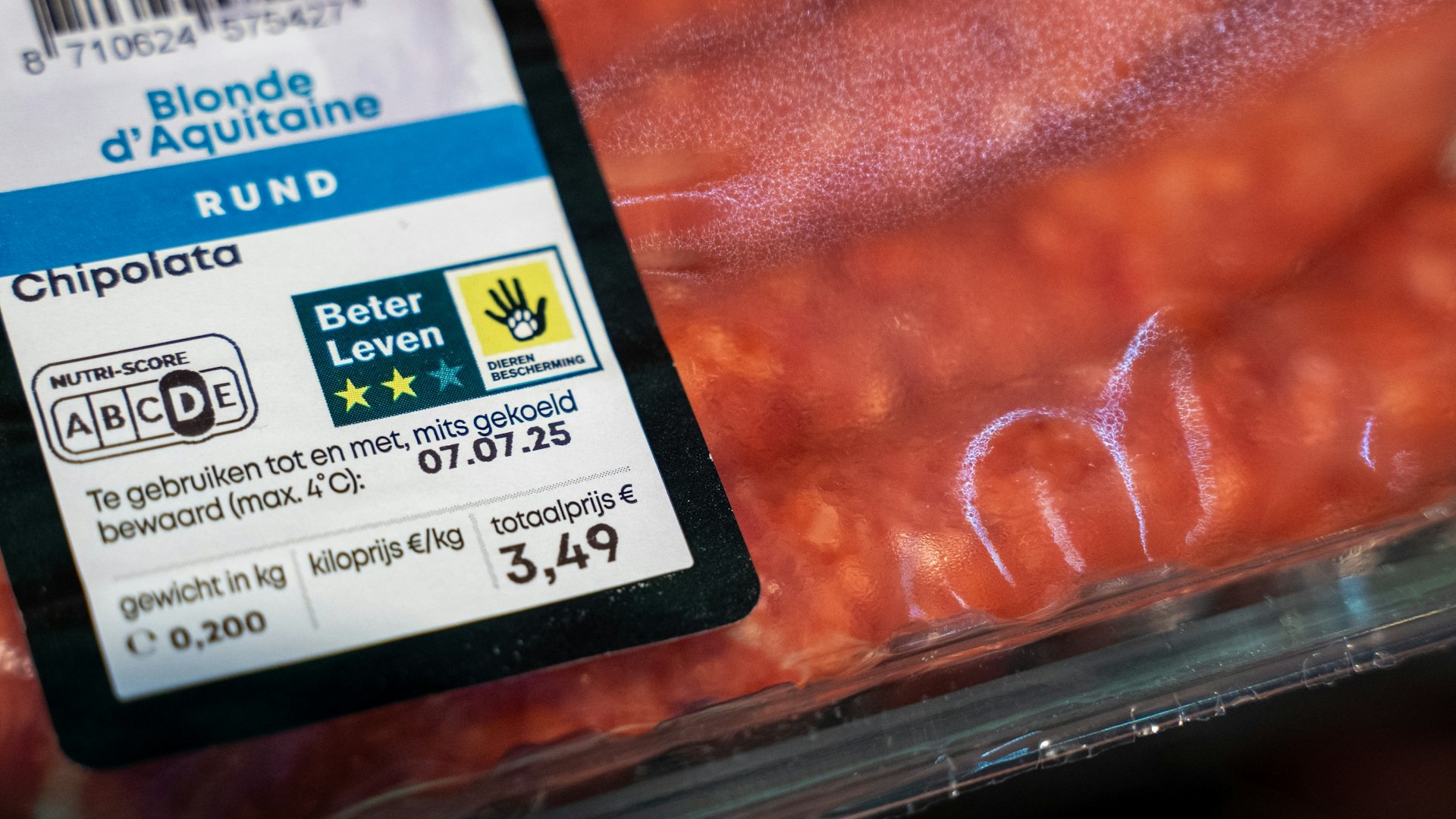
A use by date is about safety. In the UK, the Food Standards Agency (FSA) describes it as "the most important date to remember," and states that foods "can be eaten until the use-by date but not after." You will find it on perishable, higher-risk foods such as fresh fish, meat, ready-to-eat salads, and many dairy products. EFSA lists similar categories for the EU. The reason it is strict is that harmful bacteria can grow in these foods without changing the taste, smell, or appearance, so your senses cannot reliably tell you when something has become risky.
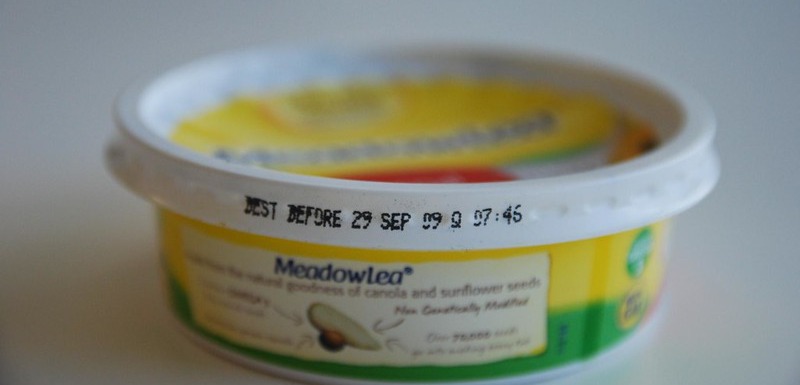
A best before date is about quality, not safety. The FSA explains that after this date a food "may not be at its best," meaning "its flavour and texture might not be as good," but it is generally still safe to eat if it has been stored properly. Best before dates tend to appear on longer-life foods such as tinned goods, pasta, rice, dried foods, and frozen items. Passing this date is a note about peak quality, not a signal to throw the food away.
A sell by or display until date is aimed at the shop, not you. Love Food Hate Waste describes these as being "for retailers attention only," used for stock rotation and shelf management. They are not a guide to whether the food in your kitchen is still good, so you can safely ignore them at home.
A simple way to hold the difference in mind: use by protects your health, best before describes quality, and sell by is a shop's reminder to itself.
What the official guidance actually says
The headline point from official sources is consistent, and worth stating plainly: a use by date should always be respected. The FSA is direct that food should not be eaten after its use by date, because it "could be unsafe to eat or drink, even if it looks or smells fine." EFSA gives the same warning, noting that "harmful bacteria that you can't see or smell might make you ill." This is the one date where your senses are not a safe guide, so if a food carries a use by date, treat that date as non-negotiable.
Best before is where there is genuine room to use judgement. Because the risk is a drop in quality rather than a safety hazard, guidance from the FSA, EFSA, and Love Food Hate Waste all support using your senses to decide whether a best before food is still worth eating, provided it has been stored as the label directs.
Here is an important caveat: the exact wording varies by country, so you should follow your own national guidance. In the UK and across the EU, "use by" specifically means a safety date. In the United States, the terms work differently. The US Department of Agriculture's Food Safety and Inspection Service (FSIS) states that most date labels there, including "Best if Used By," "Use-By," and "Sell-By," are quality indicators and "not a safety date." US federal law does not require dating on most foods at all, with infant formula being the notable exception, and FSIS encourages the phrase "Best if Used By" to reduce confusion. So a "Use-By" date in the United States does not carry the same strict safety meaning it does in the UK.
The practical takeaway is not to memorise every country's system, but to check what the labels mean where you live, and to treat any date that is defined as a safety date as one you do not push past.
How to use labels and your senses to waste less, safely
You can cut waste meaningfully while staying on the safe side by matching your approach to the type of date.
Read the wording first. Before deciding anything, notice whether the date says use by or best before. That single distinction tells you whether safety or quality is at stake.
Respect every use by date. If the date has passed on a use by food, do not rely on look or smell. This is the situation where the label knows more than your senses do.
Judge best before foods with your senses. For quality dates, look, smell, and where sensible taste a small amount. Milk that has soured will often smell off, look lumpy, or taste sharp, as Love Food Hate Waste notes. Bread may go stale or grow visible mould. Dried pasta or a tin of beans well past its best before date is usually fine if the packaging is intact and it looks and smells normal.
Follow the storage instructions. A date only holds if the food has been kept as directed. The FSA points out that best before accuracy depends on following storage guidance, such as "store in a refrigerator." Keeping your fridge at or below 5 degrees Celsius, as EFSA advises, helps perishable foods reach their use by date safely.
Freeze before the date, not after. The FSA advises that you can freeze food right up until the use by date to extend its life and avoid waste. Freezing on the day you buy something, or a day before the date, is a reliable way to save food you cannot eat in time.
Plan around the dates you already have. A quick glance at what needs eating first, sometimes called a "eat me first" habit, helps you use up shorter-dated food before it is at risk.
Common mistakes to avoid
Treating best before as a hard deadline. Throwing away tinned, dried, or frozen food the moment its best before date passes is one of the most common sources of avoidable waste.
Relying on your nose for use by foods. Fresh meat, fish, and ready-to-eat items can be unsafe without any warning smell or taste. A use by date is not the moment to improvise.
Assuming the words mean the same thing everywhere. As noted above, "use by" is a strict safety term in the UK and EU but not in the United States. Check the meaning in your own country rather than assuming.
Ignoring storage instructions. A date printed on the pack assumes correct storage. Leaving a chilled food out of the fridge, or storing it warmer than advised, can shorten its safe life regardless of the printed date.
Confusing the shop's date with yours. A sell by or display until date is for stock rotation and does not tell you whether the food is still good at home.
Frequently asked questions
Is it safe to eat food after the best before date? Often, yes. A best before date is about quality rather than safety, so food is generally still safe after it if it has been stored correctly, though the flavour or texture may have declined. Use your senses to decide, and follow the storage instructions on the pack.
Can I eat food after the use by date if it looks and smells fine? No. UK and EU guidance is clear that use by is a safety date, and that food should not be eaten after it even if it looks and smells fine, because harmful bacteria may be present without any obvious signs.
What is the difference between sell by and use by? A sell by or display until date is aimed at shops for managing stock, and is not meant to guide your decisions at home. A use by date, in the UK and EU, is a safety date for you to follow.
Why do the terms seem different in the United States? Labelling systems vary by country. In the United States, FSIS treats most date labels, including "Use-By," as quality indicators rather than safety dates, with infant formula as an exception. This is why it helps to follow the guidance specific to where you live.
Does freezing food change its date? Freezing effectively pauses the clock. UK guidance says you can freeze food up until its use by date to keep it for longer. Once defrosted, use the food promptly and follow any instructions on the pack rather than returning to the original date.
Key takeaways
Use by is about safety. In the UK and EU it applies to perishable foods and should always be respected, even if the food looks and smells fine.
Best before is about quality. Food is usually still safe after this date if stored properly, so your senses can guide you.
Sell by and display until are for shops, not for your decisions at home.
Terminology varies by country, so follow your national guidance, and always respect any date defined as a safety date where you live.
Storing food correctly and freezing before the date are two of the simplest ways to waste less without taking any risk.
Sources and further reading
Food Standards Agency, "Best before and use-by dates": https://www.food.gov.uk/safety-hygiene/best-before-and-use-by-dates
Food Standards Scotland, "Use-by and best-before dates": https://www.foodstandards.gov.scot/consumer-advice/food-labels/use-by-and-best-before-dates
Love Food Hate Waste (WRAP), "Make sense of food date labels": https://www.lovefoodhatewaste.com/good-food-habits/how-do-I/make-sense-of-food-date-labels
WRAP, "Food date labelling": https://www.wrap.ngo/taking-action/food-drink/actions/date-labelling
European Food Safety Authority (EFSA), "Food date labelling": https://www.efsa.europa.eu/en/safe2eat/food-date-labelling
USDA Food Safety and Inspection Service, "Food Product Dating": https://www.fsis.usda.gov/food-safety/safe-food-handling-and-preparation/food-safety-basics/food-product-dating